Rebility
Transforming rehabilitation through motivation and data
Published online: 09.06.2026
Rebility
Transforming rehabilitation through motivation and data
Published online: 09.06.2026
Rebility
Published online: 09.06.2026
Rebility
Published online: 09.06.2026
By Trine Reinholt Andersen, AAU Technology Transfer Office
Rehabilitation is a critical part of recovery for millions of patients across neurological, orthopedic, and age-related conditions. Yet one of the biggest challenges remains unchanged: patient adherence. Up to 75% of patients do not follow their prescribed home training programs, significantly reducing the effectiveness of rehabilitation and leading to increased healthcare costs and prolonged recovery times.
For clinicians, this lack of adherence creates a blind spot. Once patients leave the clinic, therapists have limited insight into whether exercises are performed correctly or at all. As a result, treatment plans are often based on assumptions rather than real data, limiting the potential for optimal outcomes.
Rebility, a spin-out from Aalborg University, is addressing this fundamental gap by combining motivation, technology, and data into a single, scalable solution.
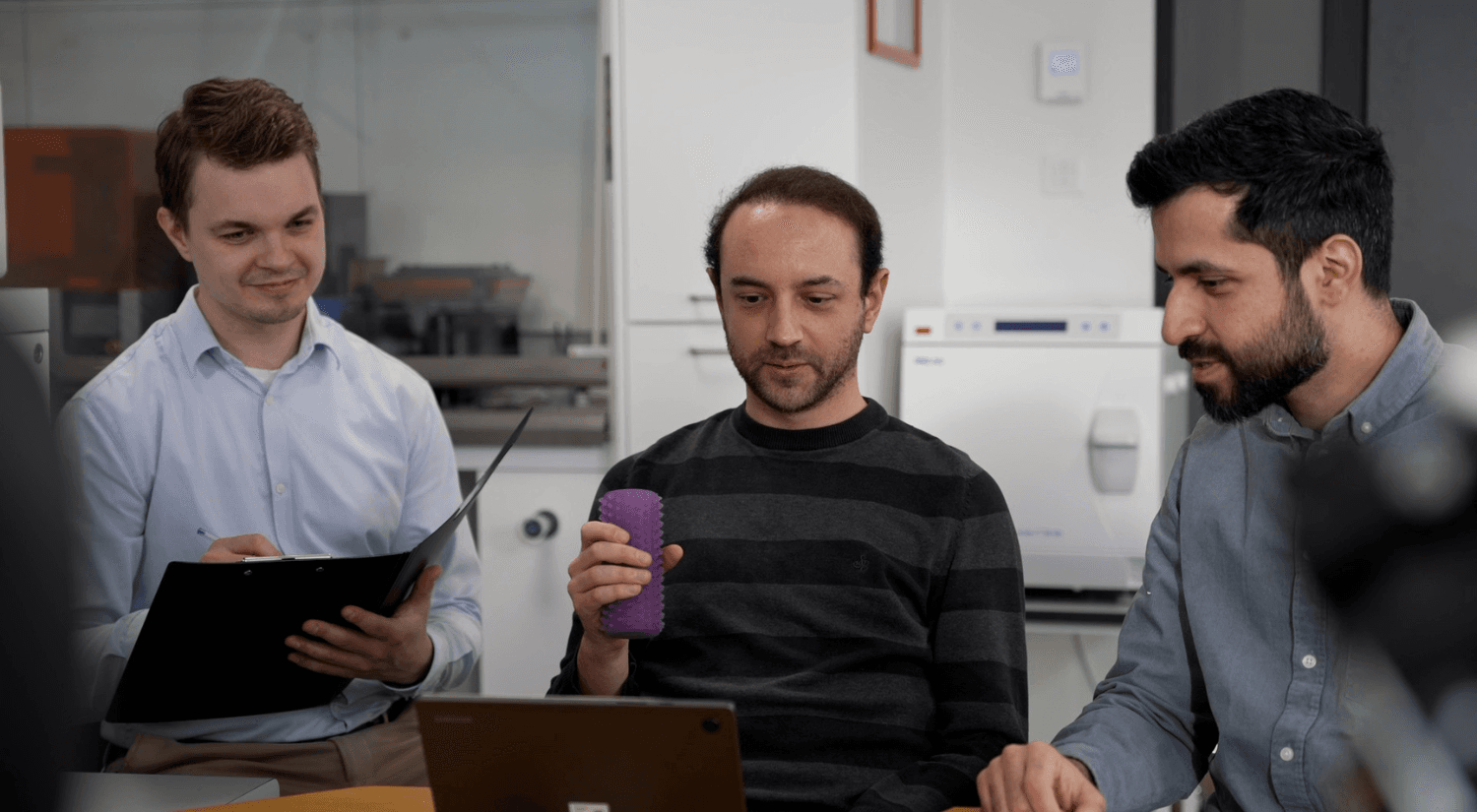
Rebility has developed a clinically tested telerehabilitation system called eMotivo that transforms traditional home exercises into an engaging and interactive experience. Through a user-friendly app, rehabilitation is gamified using ball-based exercises, turning repetitive training into something intuitive and motivating for patients.
This shift from passive to active engagement has a measurable impact. The system has demonstrated the ability to increase training motivation by up to 375%, while also improving physical, sensory, and cognitive functions. By making rehabilitation more enjoyable and meaningful, patients are far more likely to stay consistent, leading to better outcomes.
With eMotivo, Rebility does not only motivate patients; it also equips therapists with something they have historically lacked: real-time insight into patient behavior and progress outside the clinic.
As patients train, data is continuously collected and shared with clinicians, providing a clear picture of adherence, performance, and development over time. This allows therapists to move from static treatment plans to dynamic, data-driven rehabilitation, where exercises can be adjusted based on actual patient progress rather than periodic check-ins.
The result is a more efficient workflow for healthcare professionals, who can spend less time on manual follow-ups while delivering more personalized and effective care.
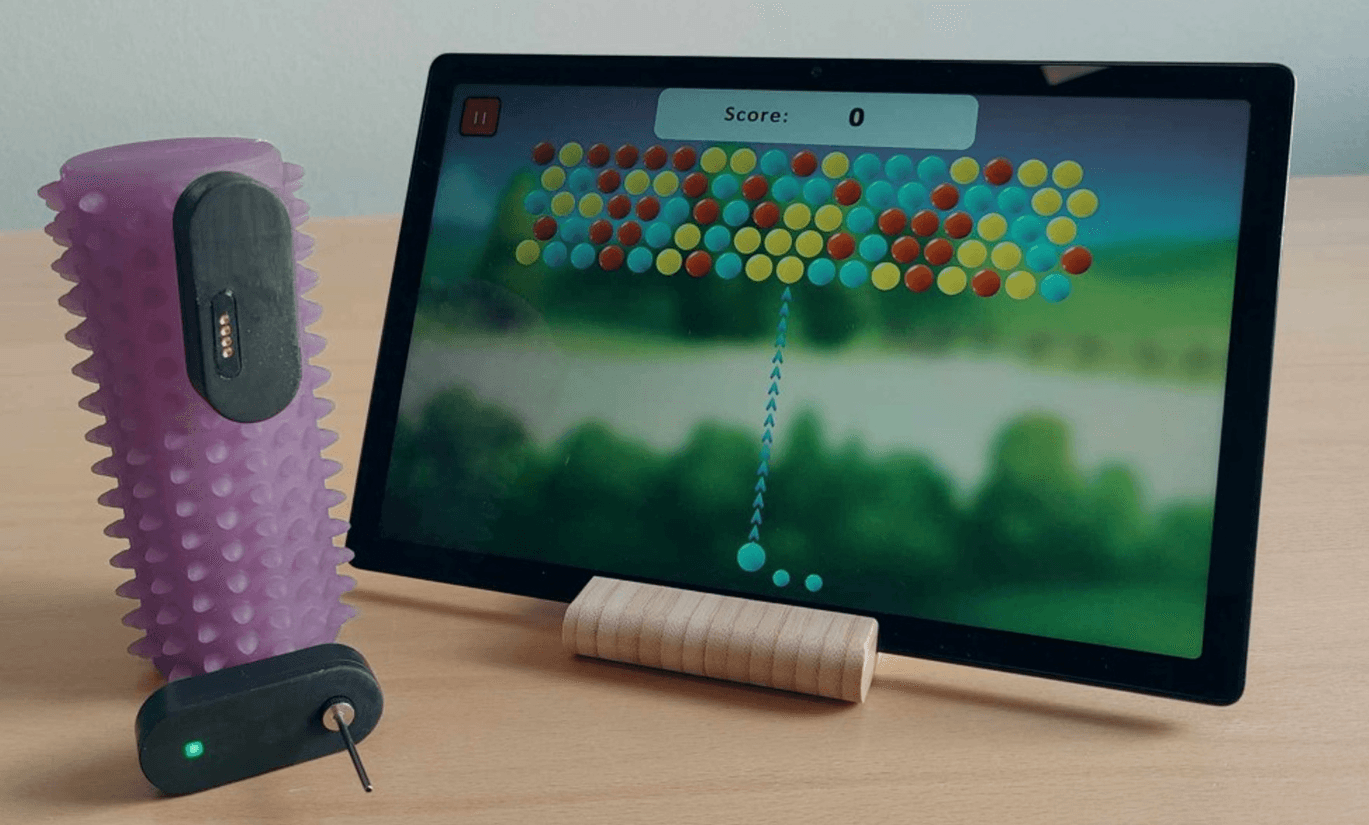
One of the key differentiators in eMotivo lies in its unique interface comparable with standard training balls, eliminating the need for expensive or specialized hardware. This makes the solution highly scalable and easy to implement across healthcare systems, rehabilitation centers, and home environments.
Compared to competing solutions that rely on complex equipment or limited engagement tools, Rebility offers a flexible and cost-effective approach that lowers barriers to adoption while maintaining clinical impact.
Rebility builds on years of research at Aalborg University by Assistant Professor and CTO, Mostafa Mohammadi and Postdoc and CEO, Kasper Leerskov – both from the Department of Health Science and Technology at Aalborg University.
The solution, earlier known as eMotivo, has been supported by Innovation Fund Denmark with a DKK 1,5 mio InnoExplorer grant in 2023 and in 2024, Kasper Leerskov received a junior researcher grant from the Spin-outs Denmark programme to strengthen his entrepreneurial competences and support Rebility’s journey towards market. In December 2025, the team was granted an InnoFounder grant from the Innovation Fund Denmark as well.
The AAU Technology Transfer Office has supported the team from the very beginning in evaluating the invention, developing the business case, and applying for the InnoExplorer and Spin-outs Denmark grants. As Rebility is moving closer to market, the team is now ready to address one of healthcare’s most persistent challenges - ensuring that patients receive the necessary help with the right tools to follow through with their rehabilitation.